|
Showing posts with label Poetry13. Show all posts
Showing posts with label Poetry13. Show all posts
Tuesday, December 24, 2013
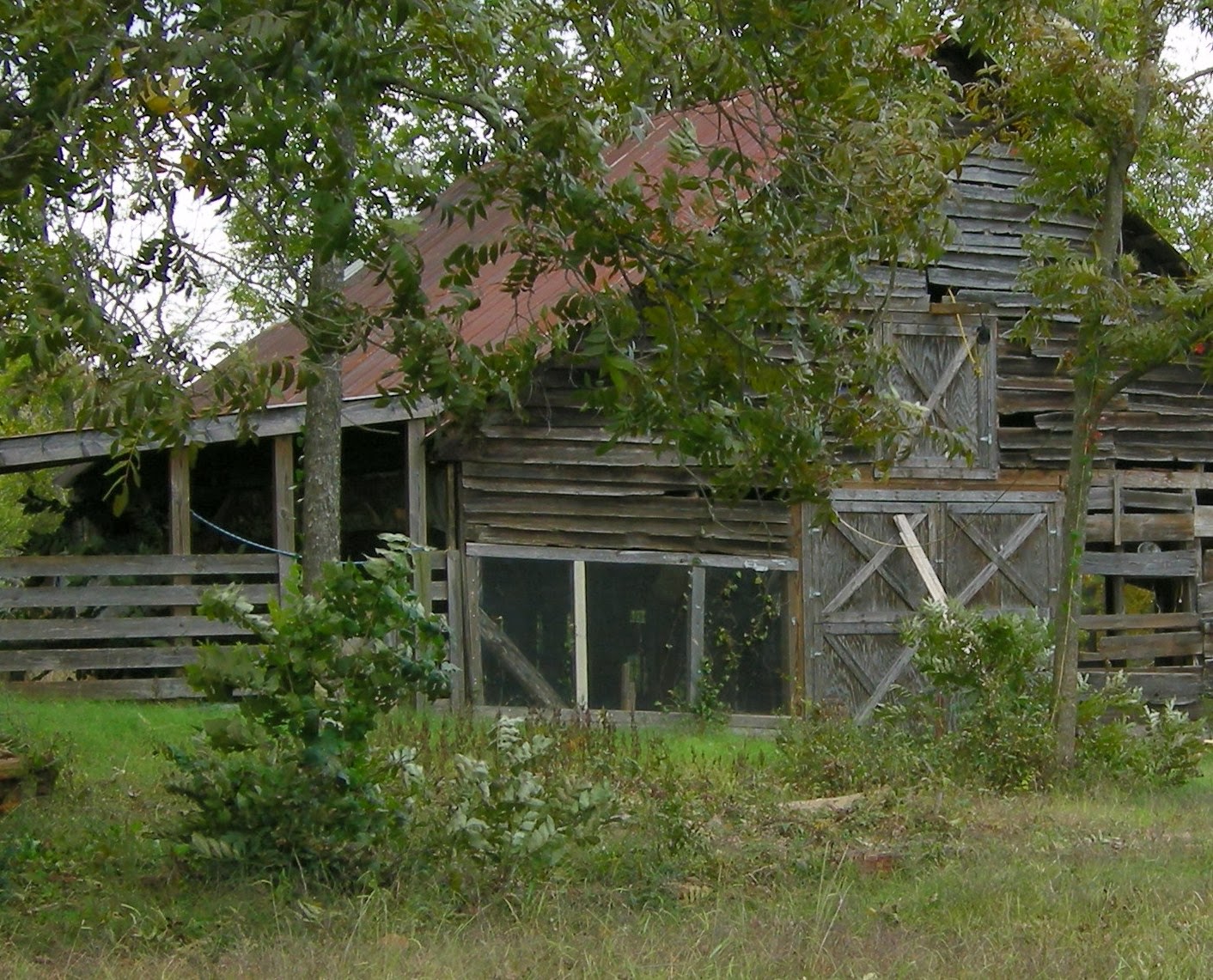
A Barn to House Thee


Thursday, December 19, 2013
A Christmas Colloquy

Of little city girls and boys
When brother Thomas brings his brood
Of motherless brats in Christmas mood
To try our country air and food.
And O what splendid pies and cakes
Their pleased and pretty grandma makes!
And O what squeals and stomach-aches!
Poor Thomas shepherds him a flock
Of city souls as hard as rock,
And though they will not fill his larder
He only preaches Christ the harder.
But Ann, though seven years my niece,
Is still a pagan little piece,
And as she often hints to me
She hates the sound of piety.
Fair Inez is my ancient setter
Who lies by the fire when we will let her:
Alas, this amiable dog
Heard all the bitter dialogue
That passed between my niece and brother
Misunderstanding one another.
ANN:
Father, what will there be for me
To-morrow on the Christmas tree?
Have you told Santa what to bring,
My pony, my doll, and everything?
THOMAS:
My daughter, Santa will know best
What to bring you, and what the rest.
But father and his little girl
And everybody in the world
Should dwell to-night on higher things,
For hark! the herald angel sings,
And in a manger poor and lowly
Lies little Jesus, high and holy.
ANN:
Father, don't talk of little Jesus,
You're only doing it to tease us,
It isn't nearly time for bed,
And I want to know what Santa said.
THOMAS:
Jesus is better than any toys
For little sinning girls and boys,
For Jesus saves, but sin destroys.
And O, it gives him sad surprise,
There must be tears in Jesus' eyes,
When little girls with bad behavior
Forget to own their Lord and Savior.
ANN:
I didn't, you know it isn't true!
I say my prayers, I always do,
I know about Jesus very well,
And God the Father, Heaven, and Hell.
O please don't say it any more,
You've said it so many times before,
But tell me all about Santa instead,
And about the horns on his reindeer's head,
And what he will bring me on his sled.
THOMAS:
This night he was born on earth for us,
And can my daughter mock him thus,
And care more for her worldly pleasures
Than Jesus' love and heavenly treasures?
For Jesus didn't like to be
So crowned with thorns and nailed to tree,
But there was a sinful world to free,
And out he went to Gethsemane--
ANN:
And left the twelve and went apart--
O father, I know it off by heart,
Please, father, please don't finish it out,
There's so much else to talk about!
I ask about Santa, and there you go,
And now you're spoiling my Christmas so,
And you are the wickedest man I know!
Disgraceful scenes require the curtain,
But lest the moral be uncertain,
I briefly bring the good report
That valiant Thomas held the fort,
And wicked Ann was quite defeated,
In vain denied, in vain entreated,
In vain she wailed, in vain she wept,
And said a briny prayer, and slept.
While Inez, who had been perplexed
To see good kinsfolk so much vexed,
When peace descended on the twain,
Lay down beside the fire again.
John Crowe Ransom
American literary critic, poet, essayist
1888-1974
Bonus Link to Robert Penn Warren's essay
John Crowe Ransom: A Study in Irony
Wednesday, November 20, 2013
Fall Poetry:Rylant

It is making its bed,
a winter bed for flowers and small creatures.
The bed is brown* and silent,
and much life can hide beneath its blankets.
In November, the trees are standing all sticks and bones.
Without their leaves,
how lovely they are,
spreading their arms like dancers.
They know it is time to be still.
In November, some birds move away and some birds stay.
The air is full of good-byes and well-wishes.
The birds who are leaving look very serious.
No silly spring chirping now.
They have long journeys
and must watch where they are going.
The staying birds are serious, too,
for cold times lie ahead.
Hard times.
All berries will be treasures.
In November, animals sleep more.
The air is chilly and they shiver.
Cats pile up in the corners of barns
Mice pile up under logs.
Bees pile up in deep, earthy holes.
And dogs lie before the fire.
In November, the smell of food is different.
It is an orange smell.
A squash and a pumpkin smell.
It tastes like cinnamon
and can fill up a house in the morning,
can pull everyone from bed in a fog.
Food is better in November
than any other time of the year.
In November, people are good to each other.
They carry pies to each other's homes
and talk by crackling wood stoves,
sipping mellow cider.
They travel very far on a
special November day just to
share a meal with one another
and to give thanks for their
many blessings -
for the food on their tables
and the babies in their arms.
And then they travel back home.
In November, at winter's gate,
the stars are brittle.
The sun is a sometimes friend.
And the world has tucked her children in,
with a kiss on their heads,
till spring.
Cynthia Rylant
*I changed this word from white to brown because where I live there is never any snow in November ~
Friday, November 15, 2013
Fall Poetry:McEntyre

surprised but untroubled, not quite
welcoming. She looks askance
at one who has, unmasking, disturbed her
solitude. Her greeting concedes what it must,
but she remains turned to purpose of her own.
This, too, she will turn to her purposes,
an encounter she expected, not knowing
just when, or what she should expect.
She has kept her own counsel;
It will serve her now.
Breeding has taught her that all-bearing look.
Poised to take what comes, she receives
with grace, gives back what befits
her modesty and station.
Cordelia would have done no more.
Richly presentable in linen and pearls,
wrapped in a light that fits her like her scarves,
she rises to the occasion, self-possessed,
accustomed to possession,
relinquishing solitude with dignity,
who will not be forced,
neither eager not reluctant,
not defensive, not submissive,
willing to speak her "Fiat mihi"
In her own time.
Marilyn Chandler McEntyre
Monday, November 11, 2013
Fall Poetry:Paine
THESE are the times that try men's souls.
The summer soldier and the sunshine patriot will, in this crisis, shrink from the service of their country; but he that stands by it now, deserves the love and thanks of man and woman.
Tyranny, like hell, is not easily conquered; yet we have this consolation with us, that the harder the conflict, the more glorious the triumph.
What we obtain too cheap, we esteem too lightly: it is dearness only that gives every thing its value.
Heaven knows how to put a proper price upon its goods; and it would be strange indeed if so celestial an article as FREEDOM should not be highly rated.
Thomas Paine
The American Crisis
The summer soldier and the sunshine patriot will, in this crisis, shrink from the service of their country; but he that stands by it now, deserves the love and thanks of man and woman.
Tyranny, like hell, is not easily conquered; yet we have this consolation with us, that the harder the conflict, the more glorious the triumph.
What we obtain too cheap, we esteem too lightly: it is dearness only that gives every thing its value.
Heaven knows how to put a proper price upon its goods; and it would be strange indeed if so celestial an article as FREEDOM should not be highly rated.
Thomas Paine
The American Crisis
Sunday, November 10, 2013
Fall Poetry:Bonar

Thy way, not mine, O Lord,
However dark it be;
Lead me by Thine own hand,
Choose out the path for me.
However dark it be;
Lead me by Thine own hand,
Choose out the path for me.
Smooth let it be or rough,
It will be still the best;
Winding or straight, it leads
Right onward to Thy rest.
It will be still the best;
Winding or straight, it leads
Right onward to Thy rest.
I dare not choose my lot;
I would not, if I might;
Choose Thou for me, my God,
So I shall walk aright.
I would not, if I might;
Choose Thou for me, my God,
So I shall walk aright.
Take Thou my cup, and it
With joy or sorrow fill,
As best to Thee may seem;
Choose Thou my good and ill.
With joy or sorrow fill,
As best to Thee may seem;
Choose Thou my good and ill.
Choose Thou for me my friends,
My sickness or my health;
Choose Thou my cares for me
My poverty or wealth.
My sickness or my health;
Choose Thou my cares for me
My poverty or wealth.
The kingdom that I seek
Is Thine: so let the way
That leads to it be Thine,
Else I must surely stray.
Is Thine: so let the way
That leads to it be Thine,
Else I must surely stray.
Not mine, not mine the choice
In things or great or small;
Be Thou my Guide, my Strength
My Wisdom, and my All.
In things or great or small;
Be Thou my Guide, my Strength
My Wisdom, and my All.
Thursday, November 07, 2013
Fall Poetry:Hood
No!
No sun--no moon!
No morn--no noon!
No dawn--no dusk--no proper time of day--
No sky--no earthly view--
No distance looking blue--
No road--no street--no "t'other side this way"--
No end to any Row--
No indications where the Crescents go--
No top to any steeple--
No recognitions of familiar people--
No courtesies for showing 'em--
No knowing 'em!
No traveling at all--no locomotion--
No inkling of the way--no notion--
"No go" by land or ocean--
No mail--no post--
No news from any foreign coast--
No Park, no Ring, no afternoon gentility--
No company--no nobility--
No warmth, no cheerfulness, no healthful ease,
No comfortable feel in any member--
No shade, no shine, no butterflies, no bees,
No fruits, no flowers, no leaves, no birds--
November!
No morn--no noon!
No dawn--no dusk--no proper time of day--
No sky--no earthly view--
No distance looking blue--
No road--no street--no "t'other side this way"--
No end to any Row--
No indications where the Crescents go--
No top to any steeple--
No recognitions of familiar people--
No courtesies for showing 'em--
No knowing 'em!
No traveling at all--no locomotion--
No inkling of the way--no notion--
"No go" by land or ocean--
No mail--no post--
No news from any foreign coast--
No Park, no Ring, no afternoon gentility--
No company--no nobility--
No warmth, no cheerfulness, no healthful ease,
No comfortable feel in any member--
No shade, no shine, no butterflies, no bees,
No fruits, no flowers, no leaves, no birds--
November!
Thomas Hood
British Humorist and Poet
1799 - 1845
British Humorist and Poet
1799 - 1845
Wednesday, November 06, 2013
Fall Poetry:Lowell

Opulent, flaunting.
Round gold
Flung out of a pale green stalk.
Round, ripe gold
Of maturity,
Meticulously frilled and flaming,
A fire-ball of proclamation:
Fecundity decked in staring yellow
For all the world to see.
They brought a quilled, yellow dahlia,
To me who am barren
Shall I send it to you,
You who have taken with you
All I once possessed?
by Amy Lowell
Tuesday, November 05, 2013
Fall Poetry:Morris

To keep her sagging shoulders warm.
Her bonnet's deck with rusty flower,
An apple basket's on her arm,
And with a dusty, rustly sound
Her wide skirts sweep along the ground.
She trudges up the sunset hills,
In spite of winds a-blowing,
To seek a shelter on beyond -
She must know where she's going -
For, wrapped in Paisley red and brown,
She rustles, rustles through the town.
Hilda Morris
Monday, November 04, 2013
Fall Poetry: Dickinson
Besides the Autumn poets sing
A few prosaic days
A little this side of the snow
And that side of the Haze—
A few incisive Mornings—
A few Ascetic Eves—
Gone—Mr. Bryant’s “Golden Rod”—
And Mr. Thomson’s “sheaves.”
Still, is the bustle in the Brook—
Sealed are the spicy valves—
Mesmeric fingers softly touch
The Eyes of many Elves—
Perhaps a squirrel may remain—
My sentiments to share—
Grant me, Oh Lord, a
 sunny mind—
Thy windy will to bear!

Emily Dickinson
American Poet
1830 – 1886
Photo Credit:  Mine -
Taken from the kitchen window looking out onto  the deck where squirrels not only enjoy the birdseed but also the pansy blossoms.
Sunday, November 03, 2013
Fall Poetry:Psalter
With grateful heart my thanks I bring,
Before the great Thy praise I sing;
I worship in Thy holy place
And praise Thee for Thy truth and grace;
For truth and grace together shine
In Thy most holy Word divine.
Before the great Thy praise I sing;
I worship in Thy holy place
And praise Thee for Thy truth and grace;
For truth and grace together shine
In Thy most holy Word divine.
I cried to Thee and Thou didst save,
Thy Word of grace new courage gave;
The kings of earth shall thank Thee, Lord,
For they have heard Thy wondrous Word;
Yea, they shall come with songs of praise,
For great and glorious are Thy ways.
Thy Word of grace new courage gave;
The kings of earth shall thank Thee, Lord,
For they have heard Thy wondrous Word;
Yea, they shall come with songs of praise,
For great and glorious are Thy ways.
O Lord, enthroned in glory bright,
Thou reignest in the heavenly height;
The proud in vain Thy favor seek,
But Thou hast mercy for the meek;
Through trouble though my pathway be,
Thou wilt retrieve and strengthen me.
Thou reignest in the heavenly height;
The proud in vain Thy favor seek,
But Thou hast mercy for the meek;
Through trouble though my pathway be,
Thou wilt retrieve and strengthen me.
Thou wilt stretch forth Thy mighty arm
To save me when my foes alarm;
The work Thou hast for me begun
Shall by Thy grace be fully done;
Forever mercy dwells with Thee;
O Lord, my Maker, think on me.
To save me when my foes alarm;
The work Thou hast for me begun
Shall by Thy grace be fully done;
Forever mercy dwells with Thee;
O Lord, my Maker, think on me.
Based on a line from Psalm 138, this poem establishes a theme of thankfulness (gratefulness) as I endeavor to highlight a poem each day for the month of November.
As our opening hymn at church this morning, we sang all four verses to Dimitri Bortniansky's tune St Petersburg.
JCMIII preached on Acts 17:16-34 and Romans 1:18-25.
The exposition is the fourth in a series focused on the Apostle Paul. Having just returned from a trip to Greece, Pastor is expanding his travel lectures from various locations of Paul's ministry into full-fledged sermons.
The preached Word is powerful. I listened to this message twice.
Here's the SermonAudio link, if you'd like to listen too.
Here's the SermonAudio link, if you'd like to listen too.
Several years ago another RCPUS minister preached about the Mars Hill address. Here's what I thought about Bob Lester's sermon. Here's the SermonAudio link.
The "take-away" from both messages ~
Acts 17:30-31
30 Truly, these times of ignorance God overlooked, but now commands all men everywhere to repent, 31 because He has appointed a day on which He will judge the world in righteousness by the Man whom He has ordained. He has given assurance of this to all by raising Him from the dead.”
Saturday, November 02, 2013
Fall Poetry:Bryant

One mellow smile through the soft vapory air,
Ere, o'er the frozen earth, the loud winds run,
Or snows are sifted o'er the meadows bare.
One smile on the brown hills and naked trees,
And the dark rocks whose summer wreaths are cast,
And the blue gentian flower, that, in the breeze,
Nods lonely, of her beauteous race the last.
Yet a few sunny days, in which the bee
Shall murmur by the hedge that skirts the way,
The cricket chirp upon the russet lea,
And man delight to linger in thy ray.
Yet one rich smile, and we will try to bear
The piercing winter frost, and winds, and darkened air.
Friday, November 01, 2013
Fall Poetry:Willson

I like the fall
The mist and all
I like the night owl’s lonely call
And wailing sound
Of wind around
I like the gray
November day
And dead, bare boughs that coldly sway
Against my pane
I like the rain
I like to sit
And laugh at it
And tend my cozy fire a bit
I like the fall
The mist and all
Dixie Willson, poet
Instagram photo borrowed from friend Tamara Koperda who captured the moment driving early one October morning to a meeting in north Georgia (Hall County)
Friday, July 12, 2013
Hidden Art Book Club: Fashion
Two things I am sharing to wind up the conversation about clothing per Edith Schaeffer in her fine volume, The Hidden Art of Homemaking.
First, Pantone's color card for the upcoming Fall/Winter season. I print and store one in my handbag for shopping purposes. Another hangs on the wall of my closet.
Second, a well-known poem. It describes the most effective way of maintaining beauty, a fashion that never goes out of style. It was originally written for the poet's granddaughter, but popularized by actress Audrey Hepburn.

For attractive lips, speak words of kindness.
For lovely eyes, seek out the good in people.
For a slim figure, share your food with the hungry.
For beautiful hair, let a child run his or her fingers through it once a day.
For poise, walk with the knowledge you'll never walk alone.
People, even more than things, have to be restored, renewed, revived, reclaimed, and redeemed; Never throw out anybody.
Remember, If you ever need a helping hand, you'll find one at the end of your arm.
As you grow older, you will discover that you have two hands, one for helping yourself, the other for helping others.
The beauty of a woman is not in the clothes she wears, the figure that she carries, or the way she combs her hair. The beauty of a woman must be seen from in her eyes, because that is the doorway to her heart, the place where love resides.
The beauty of a woman is not in a facial mole, but true beauty in a woman is reflected in her soul. It is the caring that she lovingly gives, the passion that she shows, and the beauty of a woman with passing years only grows!
by Sam Levenson
American humorist, writer, journalist and television host
1911 - 1980
First, Pantone's color card for the upcoming Fall/Winter season. I print and store one in my handbag for shopping purposes. Another hangs on the wall of my closet.
Second, a well-known poem. It describes the most effective way of maintaining beauty, a fashion that never goes out of style. It was originally written for the poet's granddaughter, but popularized by actress Audrey Hepburn.

For attractive lips, speak words of kindness.
For lovely eyes, seek out the good in people.
For a slim figure, share your food with the hungry.
For beautiful hair, let a child run his or her fingers through it once a day.
For poise, walk with the knowledge you'll never walk alone.
People, even more than things, have to be restored, renewed, revived, reclaimed, and redeemed; Never throw out anybody.
Remember, If you ever need a helping hand, you'll find one at the end of your arm.
As you grow older, you will discover that you have two hands, one for helping yourself, the other for helping others.
The beauty of a woman is not in the clothes she wears, the figure that she carries, or the way she combs her hair. The beauty of a woman must be seen from in her eyes, because that is the doorway to her heart, the place where love resides.
The beauty of a woman is not in a facial mole, but true beauty in a woman is reflected in her soul. It is the caring that she lovingly gives, the passion that she shows, and the beauty of a woman with passing years only grows!
by Sam Levenson
American humorist, writer, journalist and television host
1911 - 1980
Thursday, July 04, 2013
The Rising
Our Independence Day plans may have been rained out, but not our sentiments.
In addition to reading this poem (don't miss link at the end of the post) with my family, we're going to be re-reading the Declaration of Independence and the US Constitution.

Out of the North the wild news came,
Thomas Buchanan Read
American poet and portrait painter
1822-1872
Here's a link to YouTube with my pastor reading this poem aloud.

Out of the North the wild news came,
Far flashing on its wings of flame,
Swift as the boreal light which flies
At midnight through the startled skies.
And there was tumult in the air,
The fife's shrill note, the drum's loud beat,
And through the land everywhere
The answering tread of hurrying feet;
While the first oath of Freedom's gun
Came on the blast from Lexington;
And Concord, roused, no longer tame,
Forgot her old baptismal name,
Made bare her patriot arm of power,
And swelled the discord of the hour.
Within its shade of elm and oak
The church of Berkely Manor stood;
There Sunday found the rural folk,
And some esteemed of gentle blood.
In vain their feet with loitering tread
Passed 'mid the graves where rank is naught;
All could not read the lesson taught
In that republic of the dead.
How sweet the hour of Sabbath talk,
The vale with peace and sunshine full
Where all the happy people walk,
Decked in their homespun flax and wool!
Where youth's gay hats with blossoms bloom;
And every maid with simple art,
Wears on her breast, like her own heart,
A bud whose depths are all perfume;
While every garment's gentle stir
Is breathing rose and lavender.
The pastor came; his snowy locks
Hallowed his brow of thought and care;
And calmly, as shepherds lead their flocks,
He led into the house of prayer.
The pastor rose; the prayer was strong;
The psalm was warrior David's song;
The text, a few short words of might,-
"The Lord of hosts shall arm the Right!"
He spoke of wrongs too long endured,
Of sacred rights to be secured;
Then from his patriot tongue of flame
The startling words for Freedom came.
The stirring sentences he spake
Compelled the heart to glow or quake,
And, rising on his theme's broad wing,
And grasping in his nervous hand
The imaginary battle brand,
In face of death he dared to fling
Defiance to a tyrant king.
Even as he spoke, his frame, renewed
In eloquence of attitude,
Rose, as it seemed, a shoulder higher;
Then swept his kindling glance of fire
From startled pew to breathless choir;
When suddenly his mantle wide
His hands impatient flung aside,
And, Lo! he met their wondering eyes
Complete in all a warrior's guise.
A moment there was awful pause,---
When Berkeley cried, "Cease, traitor! cease!
God's temple is the house of peace!"
The other shouted, "Nay, not so,
When God is with our righteous cause;
His holiest places then are ours,
His temples are our forts and towers,
That frown upon the tyrant foe;
In this, the dawn of Freedom's say,
There is a time to fight and pray!"
And now before the open door-
The warrior priest had ordered so-
The enlisting trumpet's sudden roar
Rang through the chapel, o'er and o'er,
Its long reverberating blow
So loud and clear, it seemed the ear
Of dusty death must wake and hear.
And there the startling drum and fife
Fired the living with fiercer life;
While overhead, with wild increase,
Forgetting its ancient toll of peace,
The great bell swung as ne'er before;
It seemed as it would never cease;
And every word its ardor flung
From off its jubilant iron tongue
Was, "War! War! War!"
"Who dares?" - this was the patriot's cry,
As striding from the desk he came,-
"Come out with me, in Freedom's name,
For her to live, for her to die?"
A hundred hands flung up reply,
A hundred voices answered, "I!"
Thomas Buchanan Read
American poet and portrait painter
1822-1872
Here's a link to YouTube with my pastor reading this poem aloud.
Friday, June 28, 2013
Field Dreamer
I till these fields where crops will be
With naught but dreams to walk with me.
Where men beat plowshares into swords
To fight the fight of ancient wars.
Yet, I am sure that what I dream
Is not as grand as it may seem,
For war must need a braver man
Than one who simply works the land.
With naught but dreams to walk with me.
Where men beat plowshares into swords
To fight the fight of ancient wars.
Yet, I am sure that what I dream
Is not as grand as it may seem,
For war must need a braver man
Than one who simply works the land.
And dreams do not repay the loan
That bought the seeds I have sown.
So I am left to walk this field
And take some thought about its yield.
I have no cause for bitterness
For mule and plow have taught me this:
What farmers and poets learn from Earth
Is how to grow the Universe.
That bought the seeds I have sown.
So I am left to walk this field
And take some thought about its yield.
I have no cause for bitterness
For mule and plow have taught me this:
What farmers and poets learn from Earth
Is how to grow the Universe.
Thursday, June 27, 2013
Getting Close
Because my mother loved pocketbooks
I come alive at the opening click or close of a metal clasp.
And sometimes, unexpectedly, a faux crocodile handle makes me weep.
Breathy clearing of throat, a smooth arm, heels on pavement, she lingers, sound tattoos.
I go to the thrift store to feel for bobby pins caught in the pocket seam
of a camel hair coat.
I hinge a satin handbag in the crease of my arm. I buy a little change purse with its
curled and fitted snap.
My mother bought this for me. This was my mother’s.
I buy and then I buy and then, another day, I buy something else.
In Paris she had a dog, Bijou, and when they fled Paris in 1942 they left the dog behind.
When my mother died on February 9, 1983, she left me.
Now, thirty years later and I am exactly her age.
I tell my husband I will probably die by the end of today and all day he says, Are you
getting close, Sweetheart? And late in the afternoon, he asks if he should buy enough filet
of sole for two.
From a blue velvet clutch I take out a mirror and behold my lips in the small rectangle.
Put on something nice. Let him splurge and take you out for dinner, my mother whispers
on the glass.
Victoria Redel
American poet/fiction writer
1959 -
I come alive at the opening click or close of a metal clasp.
And sometimes, unexpectedly, a faux crocodile handle makes me weep.
Breathy clearing of throat, a smooth arm, heels on pavement, she lingers, sound tattoos.
I go to the thrift store to feel for bobby pins caught in the pocket seam
of a camel hair coat.
I hinge a satin handbag in the crease of my arm. I buy a little change purse with its
curled and fitted snap.
My mother bought this for me. This was my mother’s.
I buy and then I buy and then, another day, I buy something else.
In Paris she had a dog, Bijou, and when they fled Paris in 1942 they left the dog behind.
When my mother died on February 9, 1983, she left me.
Now, thirty years later and I am exactly her age.
I tell my husband I will probably die by the end of today and all day he says, Are you
getting close, Sweetheart? And late in the afternoon, he asks if he should buy enough filet
of sole for two.
From a blue velvet clutch I take out a mirror and behold my lips in the small rectangle.
Put on something nice. Let him splurge and take you out for dinner, my mother whispers
on the glass.
Victoria Redel
American poet/fiction writer
1959 -
Saturday, June 22, 2013
Summer in the South
The oriole sings in the greening grove
As if he were half-way waiting,
The rosebuds peep from their hoods of
green,
Timid and hesitating.
The rain comes down in a torrent sweep
And the nights smell warm and piney,
The garden thrives, but the tender shoots
Are yellow-green and tiny.
Then a flash of sun on a waiting hill,
Streams laugh that erst were quiet,
The sky smiles down with a dazzling blue
And the woods run mad with riot.
Paul Laurence Dunbar
1872 - 1906
As if he were half-way waiting,
The rosebuds peep from their hoods of
green,
Timid and hesitating.
The rain comes down in a torrent sweep
And the nights smell warm and piney,
The garden thrives, but the tender shoots
Are yellow-green and tiny.
Then a flash of sun on a waiting hill,
Streams laugh that erst were quiet,
The sky smiles down with a dazzling blue
And the woods run mad with riot.
Paul Laurence Dunbar
1872 - 1906
Subscribe to:
Posts (Atom)